
Your energy use
Solar serves the home first. Extra production can charge the battery or flow to the grid; after sunset, stored energy can serve selected loads when the system is designed for backup.
Sunlight
Home first
Battery/grid
Explore the solar modules, microinverters, and battery storage options Sonoma Energy uses to build Arizona systems around actual energy usage, utility rules, roof conditions, and backup goals.
Open any product to understand what it does, its important specifications, and when it may be a good fit.
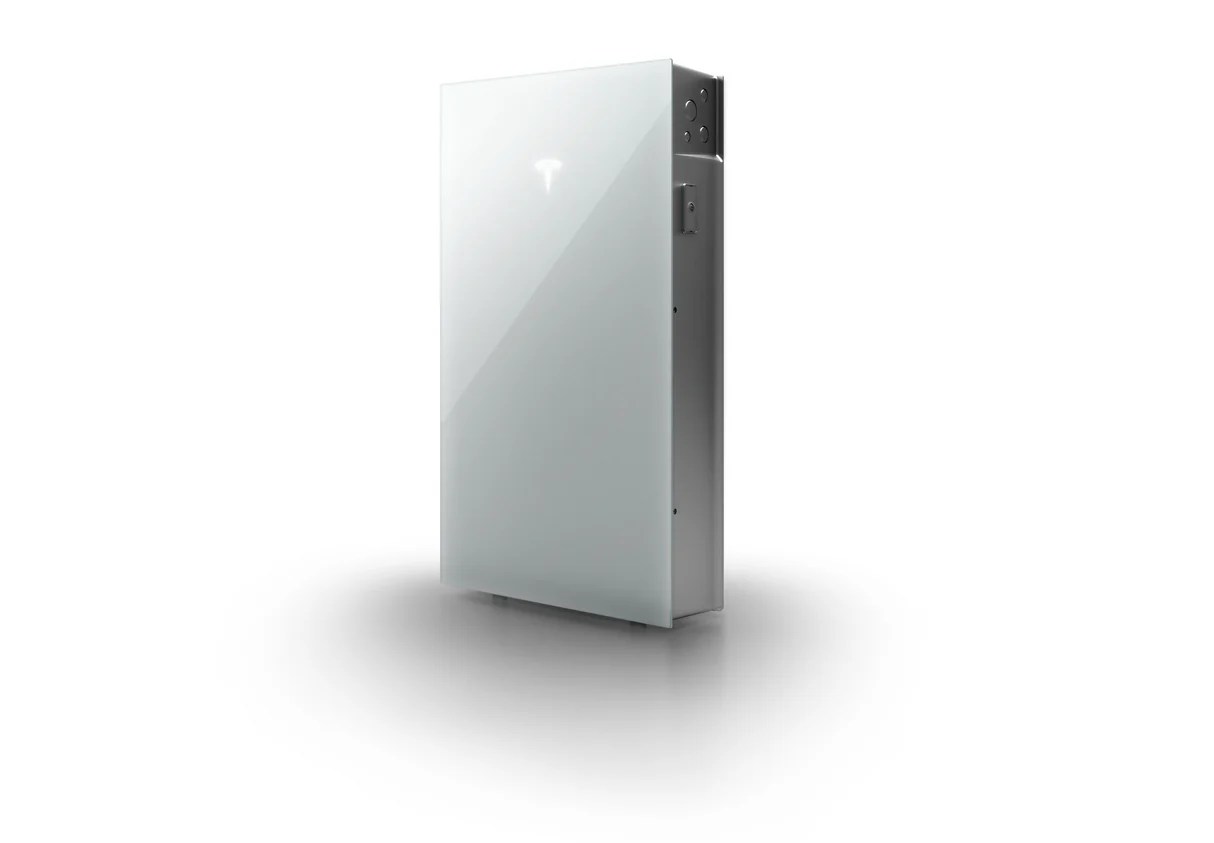
Store solar energy, manage peak-hour usage, and keep selected home loads powered during an outage when the system is designed for backup.
13.5 kWh storage · up to 11.5 kW continuous AC outputExplore Tesla Powerwall 3 →
Panel-level power conversion and monitoring give homeowners a flexible, modular approach to residential solar production.
Panel-level conversion · module-level monitoringExplore Enphase IQ8+ →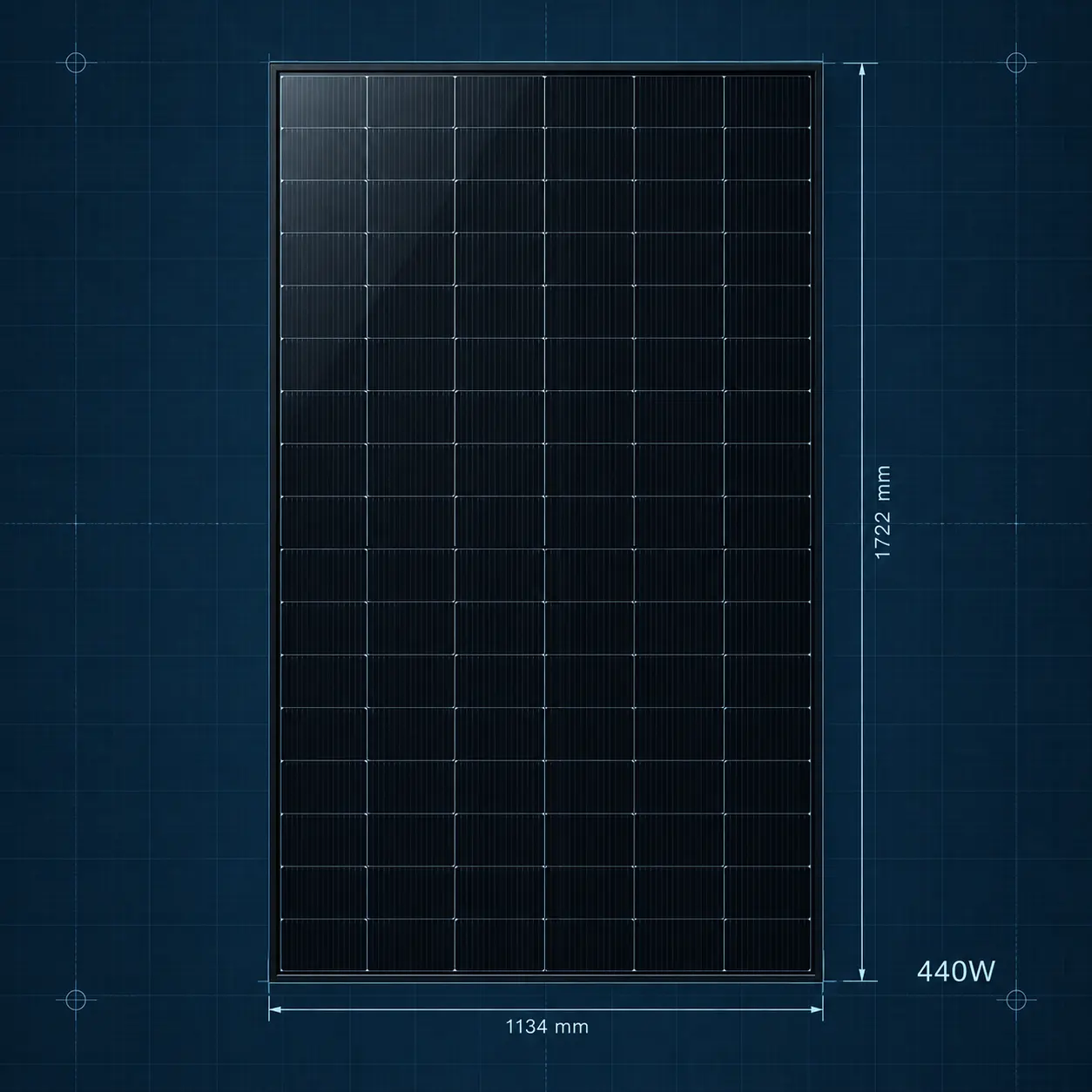
A high-output N-type TOPCon module offered for cash purchases and eligible Participate Energy projects.
440W · cash or Participate EnergyExplore Hyundai 440W →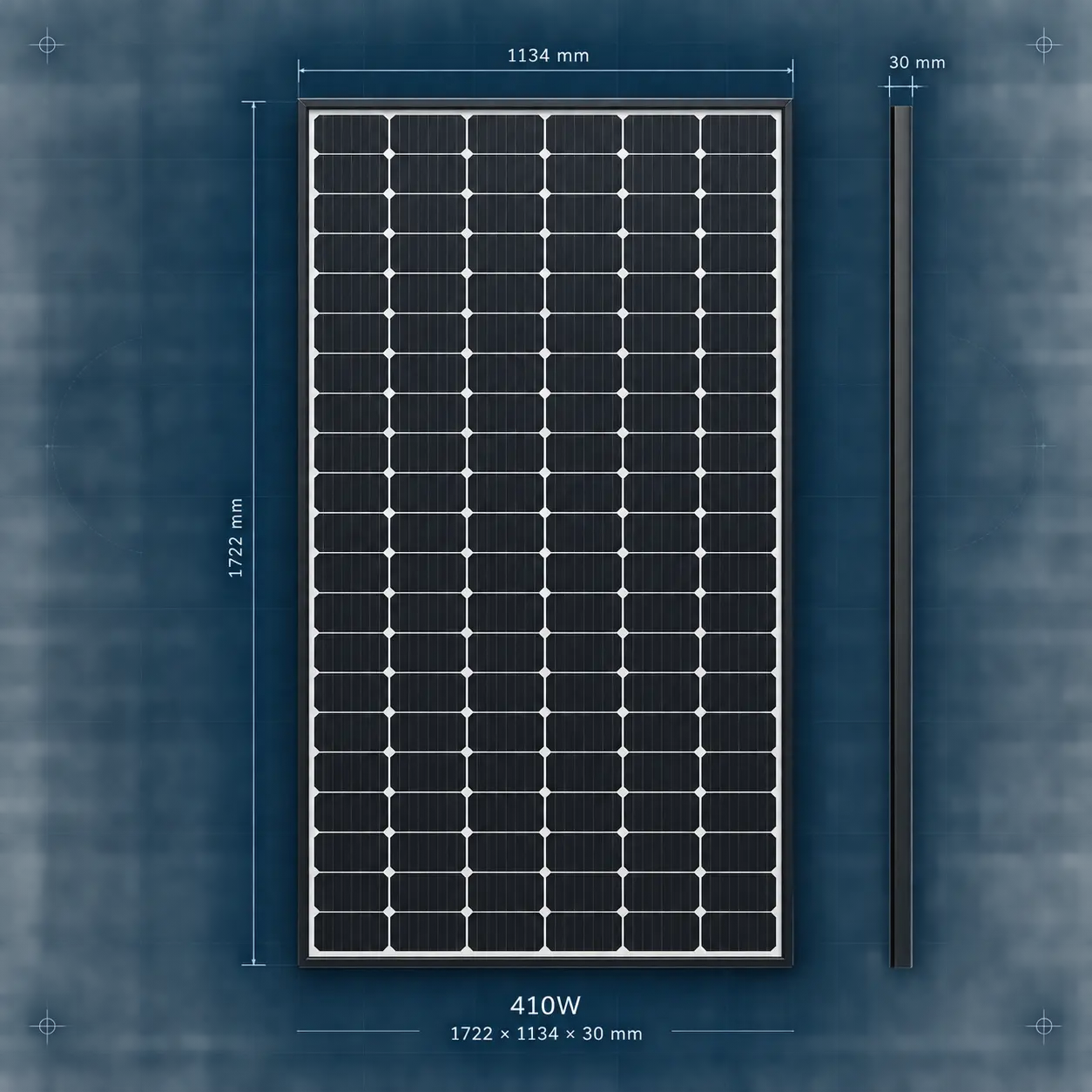
A residential module used for eligible Palmetto LightReach domestic-content projects.
410W · LightReach domestic contentExplore LONGi 410W →Annual consumption, seasonal peaks, an EV, pool equipment, and future electrical loads all affect system sizing.
Your utility planAPS, SRP, and TEP rates and export rules can change the value of battery storage and when energy is best used.
Your goalsBill reduction, backup power, purchase method, budget, and roof space determine which products make sense together.
These visuals are educational. Your actual production, bill impact, export value, and backup capability depend on your home, rate plan, equipment, and final design.
Solar serves the home first. Extra production can charge the battery or flow to the grid; after sunset, stored energy can serve selected loads when the system is designed for backup.
Peak windows, delivery charges, export rules, and buyback credits vary by utility and rate plan. We review the current APS, SRP, or TEP rules instead of using a generic promise.
The system can be designed around the outcome you care about—not just a panel count.
Share your utility, average bill, ZIP code, and priorities for a preliminary solar and battery plan you can actually review.