Outage protection
When paired with compatible isolation equipment and a properly designed backup plan, Powerwall automatically separates from the grid and powers the backed-up loads.
A compact home-energy system built to store solar power, support high-demand loads, and keep selected—or properly designed whole-home—circuits running during an outage.
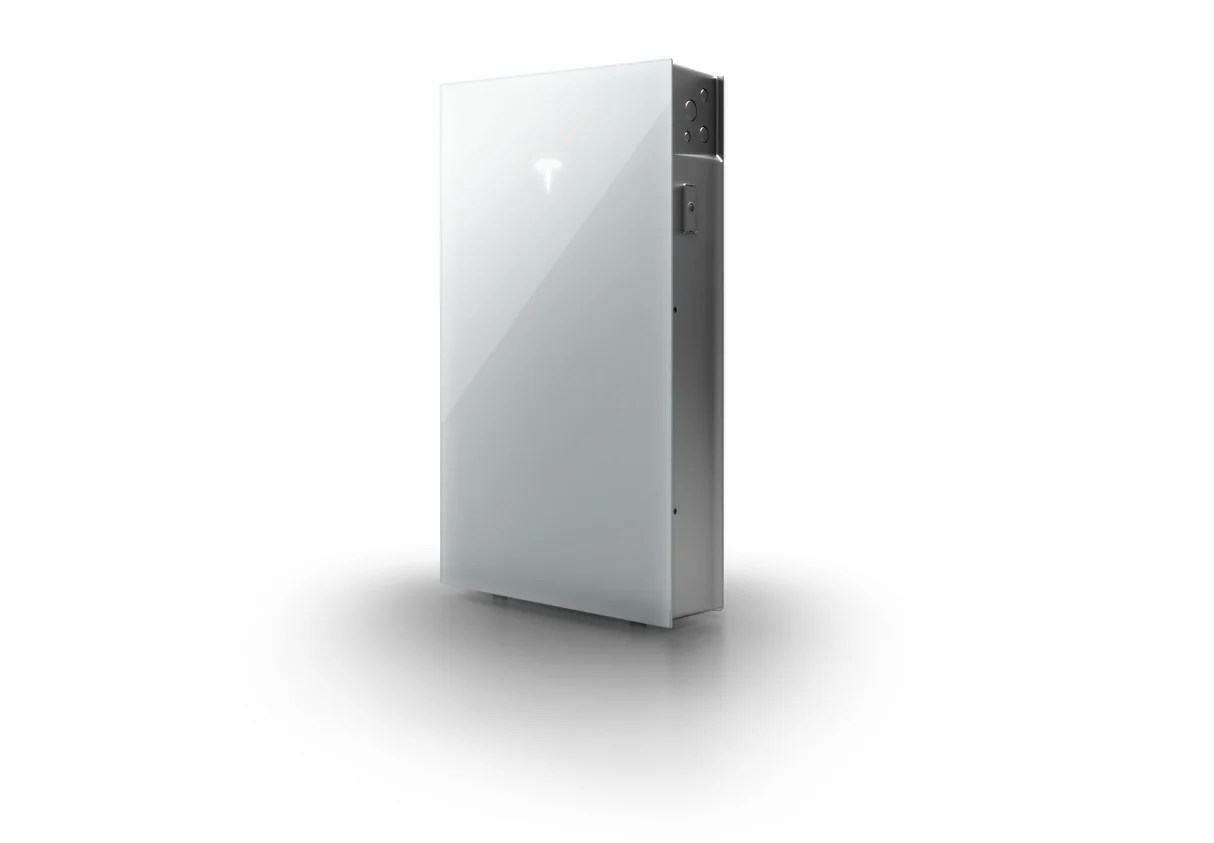
Powerwall 3 combines a battery with an integrated solar inverter. The result is fewer separate boxes, app-based energy control, and a system that can be expanded as the home’s needs grow.
When paired with compatible isolation equipment and a properly designed backup plan, Powerwall automatically separates from the grid and powers the backed-up loads.
Stored energy can help reduce grid use during expensive utility periods, depending on the rate plan, settings, and available battery charge.
Powerwall 3 supports additional Powerwall units and Powerwall 3 Expansion batteries, allowing energy and power to be sized separately.
| Nominal battery energy | 13.5 kWh AC |
|---|---|
| On-grid output options | 5.8–11.5 kW AC |
| Load-start capability | 185 LRA |
| Solar MPPTs | 6 |
| Installation | Indoor or outdoor |
Air conditioners, pool equipment, electric water heating, EV charging, service size, and desired outage duration all matter. One Powerwall may cover a focused backup plan; larger homes or whole-home goals may need additional power and capacity.